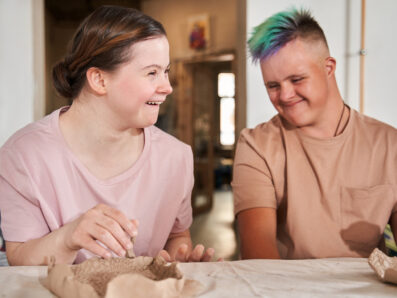
Your own children may have flown the nest a while ago, but now grandchildren are on the scene. If you’ve been thinking about fostering, you may wonder how it could impact your relationship with them.
From navigating behavioural differences and sharing your time and attention to being a role model and creating an inclusive foster family, join us as we explore the benefits and challenges of fostering as a grandparent.
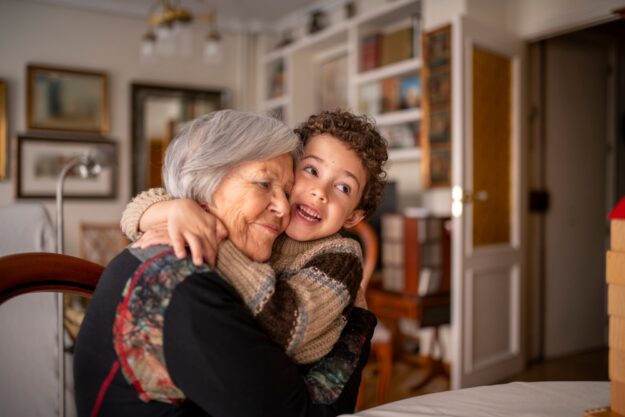
Benefits and challenges of fostering as a grandparent
During your fostering assessment, we consider your support network because we know that when you foster, your family does too. They play a huge role in helping children and young people in care feel welcome and part of the family.
But the reality is that when you welcome a new person into your family, the dynamics will change. This can have a positive impact on your grandchildren, but can also present challenges as you try to support everyone while navigating this new chapter. Below, we explore three benefits and three challenges of fostering with grandchildren in more detail.
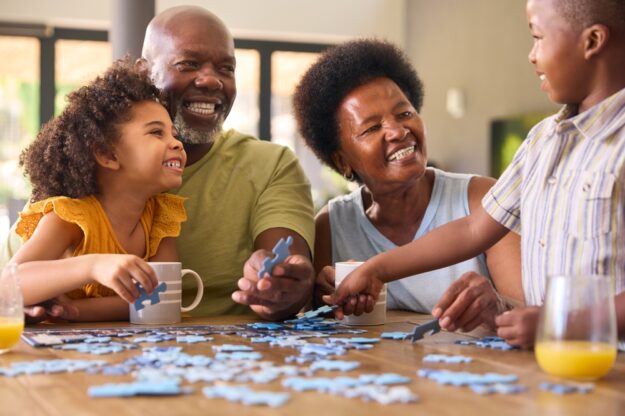
3 Benefits of fostering with grandchildren
Fostering can bring many benefits to your grandchildren, so here are three that really stand out in more detail.
Bridging the generational gap
When you were raising your own children, parenting styles, technology, music, and even slang would have been very different from what they are today. This can create a generational gap as your grandchildren grow and you try to connect with them.
When you foster, the child or young person will likely share similar hobbies, interests, and cultural references as your grandchildren, as they’ll be from the same generation.
You’ll also receive foster parent training, which not only teaches you about trauma, attachment and caring for a foster child, but also about current issues that young people face.
This combination could help bridge the generational gap, benefiting both the child in your care and your grandchildren, as you’ll have insight into what it’s really like to be a young person today, making it easier to bond.
Role modelling compassion and empathy
As a grandparent, your grandchildren will naturally look up to you, especially if you play a significant role in their lives, such as providing regular care to help your adult children.
When you foster a child, you become a role model of empathy, compassion and understanding. You show your grandchildren what it really means to be kind and selfless by opening your home to the children and young people who need it most.
This will give your grandchildren a foundation to develop these personal qualities too. They’ll learn how to see things from other people’s perspectives and begin to understand that everyone’s experience of the world is unique.
As a result, they’ll be able to build meaningful relationships with people from all walks of life as they grow up to be kind, caring and compassionate individuals.
Building friendships
Your foster children will become part of your family, which means your grandchildren will spend time with them. Whether it’s day trips, special occasions, or weekly visits to your home, over time, they’ll build a friendship.
Friendships support children’s self-esteem, confidence, and social skills. But what’s even more special about the relationship between your grandchildren and foster children is that they’ll share a sense of belonging to the same family, which is unlikely to happen with their peers.
For example, you may spend Christmas Day together or go on holiday as a family. They’ll also both understand family traditions, in-jokes, and personality quirks. This can lead to a stronger bond, similar to sibling or cousin relationships, helping them remain closer for longer and possibly even for the rest of their lives.
3 Challenges of fostering with grandchildren
Now that we’ve explored just a handful of the benefits of fostering with grandchildren, let’s look at three common challenges and how to build strong relationships with grandchildren while overcoming them.
Sharing your time and attention
Fostering is a full-time role. From school runs and family time arrangements to ongoing training and support groups, there’s never a dull moment. However, this means that if you have grandchildren, you’ll have to find a way to balance your time so you can still nurture your bond and prevent them from feeling left out. Here are a few things you can do to help:
- Discuss fostering with your grandchildren so they know what it means and what to expect. Having an awareness of why children need foster care could promote empathy and prevent jealousy.
- Reassure your grandchildren that your love for them will never change and you’ll always be there for them.
- Get them involved by helping them make a welcome banner or card for when your foster child arrives.
- Include them by inviting them to days out, or to your house for a nice meal together as a family.
- Schedule one-on-one time. If you can’t commit to regular meetups, you could FaceTime once a week instead.
- Let them know that they’re always on your mind by sending them a little message or small gifts from time to time.
Understanding boundaries
Children like to ask questions and push the boundaries. For example, your grandchildren might ask you or your foster child why they’re in care. They may also not understand why they shouldn’t go into your foster child’s bedroom.
Before you welcome a child home, it’s a good idea to talk to your adult children and grandchildren about boundaries when you have a foster child in your care. This can prevent any misunderstandings or hurt feelings when your foster child arrives and everyone is getting to know each other.
You could even agree on a code word that you’ll use to let them know they’re pushing the boundaries a little too far. This could help you avoid causing a scene, which could upset both your grandchildren and the child in your care.
Behavioural differences
Children in care are often living with the trauma of their past experiences, which means they could behave in a way that confuses your grandchildren.
For example, your grandchild may innocently touch one of your foster child’s belongings, but your foster child’s trauma could mean they see this as a threat. As a result, they may display big emotions about something that seems trivial to your grandchild.
You can help your foster child and grandchild in situations like this by:
- Staying calm and taking time to respond to the situation to avoid upsetting the children further.
- Acknowledging both children’s feelings.
- Explaining to your grandchild that when someone has had difficult experiences, they might get upset about things that seem small to us, but feel big to them.
- Reinforce boundaries about touching your foster child’s belongings to your grandchild.
- Reassure your foster child that their belongings are safe and your grandchild won’t do it again.
By responding in this way, you help your grandchild understand the impacts of trauma on behaviour while also ensuring your foster child continues to feel safe and secure in your home.
Supporting your whole family
As a grandparent, fostering can be a rewarding journey for both you and your grandchildren. However, sometimes you may need a little extra support. That’s why, at Orange Grove, along with our support for children in foster care, we also provide support for you and for children who foster, which includes your grandchildren.
From downloadable resources to help your grandchildren understand what fostering really means to support groups, activities, and events, we help your whole family feel valued, included, and heard.
Ready to join our foster family?
Call us on 0800 369 8513 or submit an enquiry form to learn more about fostering with grandchildren.