Fostering can be such a rewarding vocation for those who choose to do it. By opening your home to a foster child, you give them a chance to build a better life for themselves, work through their trauma, and live in the caring, loving environment that they deserve. However, many have let themselves be put off looking into fostering because of misconceptions about the profession.
We want to bust some of these myths and take a closer look at the hidden truths about fostering. There’s so much information out there about fostering that it can often be tricky to work out fact from fiction. So what do you need to know about becoming a foster care parent?
We’re going to take a closer look at the truth about fostering and what no one tells you about being a foster parent.

Common myths and misconceptions about fostering
If you’ve thought about fostering but have let yourself be put off by one myth or another, here are 10 facts about foster care that you probably weren’t aware of.
You don’t need to be married to be a foster parent
There’s no need to worry about whether you can foster if you’re a single parent or aren’t married. Here at Orange Grove, we welcome foster parents from all walks of life.
Lots of our amazing foster carers are single, and your marital status won’t impact your ability to become a foster parent. As long as you’ve got a robust support network in place, this shouldn’t be a factor that deters you from fostering.
You don’t need to be wealthy
Don’t let your finances be a factor that puts you off becoming a foster parent. You don’t need to be rich to open your home to foster children, and there’s actually a variety of financial benefits available to foster parents.
As a foster parent, you’ll be entitled to a fostering allowance, as well as tax relief, which will cover the costs incurred from fostering, while also rewarding you for your hard work and dedication.
You’ll also benefit from additional perks, including:
- Additional payments to celebrate birthdays and religious festivals for each child in your care.
- Two weeks of paid respite care.
- A generous mileage allowance for any extra travel involved in caring for a child.
- Exclusive discounts on our foster parent rewards platform.
- Up to £3000 for each family you successfully refer to us through our refer-a-friend scheme.
You can still foster if you don’t have parenting experience
Fostering isn’t exclusively available to people who are parents themselves. If you don’t have any direct parenting experience, you could still be a fantastic foster parent, and you’ll probably find that you have a range of transferable skills from other roles you’ve had in the past.
All of our foster parents receive training before they are matched with their first foster child, and we’re proud of the continuing support that we give to our foster parents throughout their fostering journey.
You don’t need to own your own home to foster
If you rent your home rather than own it, this won’t be a barrier to fostering.
You’ll just need to let your landlord know before becoming a foster parent, as fostering means a change in who’s living in the property.
Under the Renters’ Rights Act, landlords can’t refuse tenants simply because they have children or are planning to welcome children into their home, including foster children. That said, there may be some exceptions where restrictions are reasonable and lawful – for example, if the property isn’t suitable due to space, safety, or licensing requirements.
The main requirement is that you have a spare bedroom a foster child can call their own – a safe, comfortable space where they can settle in. You’ll also need enough living space for everyone in your household to live comfortably together. As part of the assessment process, we’ll carry out a home health and safety check too.
It’s not challenging behaviour, it’s trauma
One of the biggest questions you may have about fostering is whether the children you’ll be welcoming into your home will have challenging behaviours.
It’s important to remember that these children have had to deal with a lot of trauma in their young lives and need stability to help them navigate the world. Your job as a foster parent is to build trust and feelings of confidence, and to give these children the loving home that they deserve so that they can go on to live happy, fulfilling lives.
This may be challenging at times, but it will be worthwhile in the end when you can see how you’re helping these children in real time.
You can work and still foster
Many of our foster parents choose to foster alongside other employment. As long as you’ve got the flexibility to do so, it’s more than possible to foster and work.
At Orange Grove, we’ll work with you to make sure that your work schedule fits around the needs of any children in your care. We look at the flexibility of your job, your working hours, your support network, which can help you with childcare or taking foster children to appointments when you can’t, and your health and wellbeing, to make sure that fostering works for you.
You will have input in the foster placements you get
Concerned that you won’t get any choice in the matches you get with fostering? We can happily tell you this isn’t the case at all.
During the matching process, our referrals team will consider your preferences, such as the age range of children you foster, and the type of fostering you provide, before matching you with a child.
If they find a potential match, you’ll get to review all of the information that we have about the child, and the decision will ultimately be down to you.
Don’t be afraid to say no to a match – we want to make sure that it’s the right match for you, your family, and the child.
Fostering is suitable for people of all ages
If you’re worried about your age being a barrier to your fostering journey, then we can put your mind at rest. There’s no upper age limit to who can foster – the minimum requirement is that you are at least 21 years of age.
In fact, if you’re a retired empty nester whose own children have flown the nest, you’re in the perfect position to open your home to a child in need and give them the love and support that they need to flourish.
You can foster if you’re from a diverse background
We champion people from all walks of life to become foster parents. You shouldn’t let the myth that only certain people can foster put you off looking into becoming a foster parent.
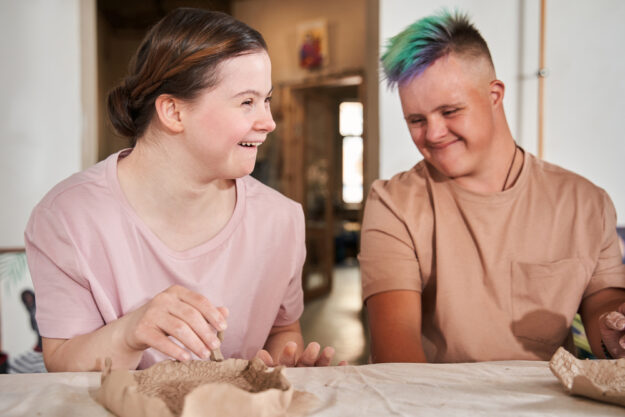
At Orange Grove, we celebrate diversity and inclusion, and we want our amazing team of foster parents to reflect the rich, diverse backgrounds that you’ll find throughout the world. That includes LGBT individuals, people from ethnic minority backgrounds, and those who have disabilities.
Fostering can include short-term and long-term placements
One of the little-known facts about fostering is that it doesn’t just involve short-term placements.
In fact, there are lots of different types of fostering that you can undertake, including long-term (from 2 years up to when the child turns 18), disability foster care, respite, emergency, and many more.
So if you think you’d like to become a foster parent but want to welcome a child or siblings into your home for longer, this is something that will be possible.
Start your fostering journey today
Are you curious about fostering and want to know more? Get in touch with one of our friendly advisors today to learn more about the fostering process, what this could mean for you and your family, and how you could transform a child’s life by opening your home to them.
Simply fill out our enquiry form or give us a call on 0800 369 8513 to speak to one of the team and learn more about how you could start your fostering journey today.