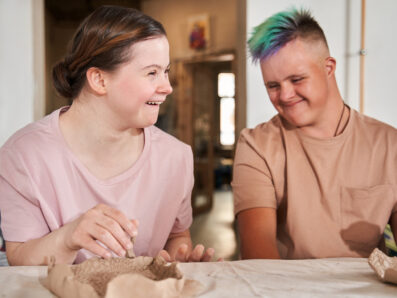
When you foster, your family fosters too. So, before you begin this life-changing journey, it’s important to reflect on the impact fostering could have on your own children.
From changes in family dynamics and adjusting to a new routine, to learning how to empathise with others and work as a team, fostering can be both beneficial and challenging for your own children.
Join us as we explore the impact of foster care on your own children and ways you can support them from before you begin fostering, through welcoming a child into your home, up until you say goodbye.

Fostering and family dynamics
Every family has a unique dynamic, shaped by our everyday routines, roles, and relationships. When a foster child moves into your home, those dynamics will naturally change, and here’s why:
- Routine adjustments: Your whole family will need to adjust to changes in your routine, which may include attending meetings, appointments, family time, training sessions, and more.
- Balancing attention: You’ll have to balance your time and attention between your own children and the children you foster.
- Changing roles: Your children’s place in the family may shift. For example, if you foster a younger child, your own children may take on new roles as older siblings and role models.
- Parenting approaches: You may need to approach parenting differently for your own children and the children you foster due to their trauma.
- New boundaries: You may need to introduce new boundaries, rules, and responsibilities which can take some getting used to.

5 ways fostering benefits your own children
Here are just a handful of the benefits that fostering can have on your own children, highlighting the wider impact of foster care on child development for every young person in your home.
Learning how to empathise
Empathy is an important life skill that helps children form friendships, resolve conflicts and see things from different perspectives.
When your children grow up with foster siblings who haven’t had the best start to life, they learn that not everyone sees or experiences the world in the same way.
Through their foster siblings, they’ll learn that some children carry the weight of difficult early life experiences, impacting the way they respond to the world around them.
By being there for their foster siblings, your children can develop empathy, compassion and understanding, which will enrich both their lives and the lives of others now and in the future.
Understanding different backgrounds
When you foster, your children have the chance to form bonds with children from different backgrounds and walks of life. This gives them a broader view of the world and helps them become more accepting and understanding of others.
This is especially true if you foster a child who doesn’t share the same faith or culture as your family. As you nurture and celebrate this part of your foster child’s identity, your children will learn about it too.
In doing so, they’ll grow to be more welcoming and open-minded, and will have the opportunity to build friendships with a wide range of people throughout their lives.
Building lifelong connections
As your children grow, friendships will come and go. However, when you foster a child, your children have a unique opportunity to build a sibling-like bond with someone from another family.
Living together, going on holidays, celebrating birthdays, Christmases, achievements, and more – these shared experiences connect them in a way that ordinary friendships often can’t. This means the connections your children build with the children you foster are more likely to stand the test of time and become something very special.
Developing resilience
Welcoming a child into your home is a big change, especially for your children, who’ll have become accustomed to a particular routine and having you all to themselves.
However, this can be beneficial for your children because they’ll have to adapt to sharing you, their home and their life with another child. This can teach them patience and problem-solving skills that’ll help them build resilience, making them more adaptable to stress and change in the future.
Working as a team
Fostering is a family affair, and having a shared purpose can strengthen family relationships.
Each foster family member plays an important role. For example, when you first welcome a child into your home, your children can help them settle in, make friends, and explore the community.
Together, you’ll work as a team, lean on each other through difficulties, and celebrate the joy of making a difference together.
And when it’s time for your children to leave home, they’ll have gained valuable transferable skills that will help them in their education, at work, and in relationships.
“My favourite thing about fostering is seeing my foster sister grow. I’m the youngest child, and I always wanted a younger sibling growing up. Watching a little baby who could not even roll over, to seeing a toddler walk around freely, makes me so happy. These are life skills that we’ve taught her – something she will need for the rest of her life.” Caitlin, 17, shares her experience of fostering with her family.
Challenges your children could face
Although fostering can be incredibly beneficial for your own children, there are some aspects they might also find challenging. Below, we look at these in more detail, offering some tips on how you can support your children with each one.
Sharing their world with another child
Sharing a toy, a bag of sweets, or craft supplies with a friend is one thing, but sharing your home, parents and family experiences with a child from another family is quite another. This might be challenging for your own children when you welcome a foster child into your home.
Children in care are often living with the trauma of their past experiences, which means they may sometimes need more of your time and attention as you help them heal. Whether it’s managing big emotions, supporting their education or helping them navigate time with their birth family, it’s only natural that your own children might find this difficult at first.
How you can help
- Orange Grove resources: Prepare your children for fostering by downloading our guide for children who foster. This will help them understand what fostering is and what it means for them, so they’ll know what to expect.
- Dedicate time to your children: Set aside quality time with your own children. Whether it’s a daily catch-up before bedtime or a walk in the park after school, this can help reassure them that they still have your time and attention.
- Offer reassurance: If your children are worried about sharing you with another child, remind them that your love for them will never change, and they can talk to you about anything at any time.
- Teach them about trauma: Your children may find it easier to share you, their home and their daily lives with another child if they understand that child’s experiences, the impact it can have on their well-being and how you can help them as a family. Our training for foster parents can help you with this because it covers trauma and its effect on a child’s behaviour, relationships, and overall well-being.
Not always getting along
When you live with someone, you see them in a way the rest of the world doesn’t. In their safe space, where they can be themselves and put down the mask they might wear for everyone else.
As a result, at the end of a long day or during a stressful period at school, such as exam season, both your own children and the children you foster may vent their frustrations when they get home.
If the child in your care also struggles to relate to their peers, trust adults, or regulate their emotions due to their past experiences, this could lead to conflict between foster siblings.
How you can help
- Help them bond: You can’t force your children to bond with children you foster. However, you can gently encourage it by creating opportunities for them to get to know each other, such as organising days out, games nights, and other family activities where you can relax and have fun together.
- Teach self-care: If your children or the children you foster are feeling stressed, understanding the importance of self-care can help prevent them from taking their frustrations out on each other. You could suggest gentle exercise, journaling or getting enough sleep; these small things could make it easier for them to manage their emotions.
- Lean on our support: At Orange Grove, we’re here for every member of your family. Our family support workers can provide advice, guidance or just a listening ear for your children. They can also organise get-togethers with other children from similar family set-ups, giving them a safe space to share their experiences and vent their frustrations.
Being a role model
During the first few weeks of fostering, your children may be excited about having a foster sibling – someone they can make friends with, mentor, and teach new things to.
However, when the excitement wears off, they may feel pressure to be the ‘perfect’ role model. Over time, they might start to hide their own emotions, withdraw, or even resent their foster sibling because they feel like they can’t share how they really feel.
How you can help
- Language matters: Try to avoid using language that could unintentionally put pressure on your child to be ‘perfect’. For example, if they display big emotions about something, they might internalise phrases like ‘you know better’ as a message that they always have to be ‘good’. Instead, talk to them to understand how they’re really feeling, and make sure they know the door is always open if they want a chat.
- Provide an outlet: Encourage your children to spend time with their friends and take part in activities they enjoy. This gives them a break from being an older sibling or role model and a chance to just be themselves.
Adjustments to their routine
Every family has a routine which may include daily tasks before and after school, fun activities, and time to relax and unwind. However, when you foster, your routine will change to adapt to the needs of the child in your care. You’ll also need to make time for training, support groups, and regular supervision.
Your children may initially struggle to adjust to this new routine, especially if they’ve had the same one since they can remember.
How you can help
- Keep some things the same: Changing your child’s entire routine can trigger stress and anxiety, so try to maintain some familiar parts of their day. For example, continuing bedtime stories, the same mealtimes, and chatting about your day over dinner can help your child feel secure even if other parts of their routine have changed.
- Include your children: You and your children are on your fostering journey together, so involve them as much as possible. For instance, if you’re driving your foster child to a family time meeting, you could take your child along and spend time with them while your foster child sees their family. This way, your child will still feel involved and will have something to look forward to on those days.
Saying goodbye
Regardless of the type of fostering you choose – long-term, short-term, or emergency – at some point, your foster child will leave your care.
Whether through reunification, moving to a permanent placement, or ageing out of care, saying goodbye to a child who has become a member of your family can be incredibly hard for both you and your children.
How you can help
- Keep them in the loop: Make sure your child understands the plan for your foster child’s care. This will help them mentally and emotionally prepare for their departure.
- Create a memory book together: Spend time creating a photo book or scrapbook of special moments shared between your children and the children you foster. This will give them both a meaningful keepsake of their journey together.
- Organise some family time: If your foster child is moving on from your care, you could organise a family meal or special day out to celebrate the time you’ve shared. Not only will this help your children process their foster sibling’s departure, but it will also create lasting memories and show your foster child just how much they mean to your family.
“When my parents told me they were thinking about fostering, I was not happy. I didn’t like the idea of having someone else in my house. But now, I look back and realise that fostering is potentially one of the best things my parents have done.
Although I was unsure at first, now I understand that fostering – no matter whether short or long term – can have a really positive impact on a child and is the stepping stone they need to live the best life they can.” Caitlin, 17, who fosters with her family. Read her fostering story here.
Join our community today!
At Orange Grove, we’re here to support your whole family on your fostering journey. From regular support groups, events, and activities to high-quality training and expert input from fostering specialists, when you join us, you become part of a diverse community, all working towards the same goal – changing children’s lives.
So, if you’re thinking about becoming a foster parent and want to learn more about fostering with children, please get in touch. Call us on 0800 369 8513 or submit an online enquiry form, and a member of our friendly team will be in touch.