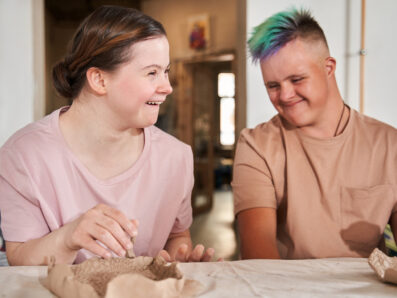
Siblings are an important part of life, especially for children in foster care. For some children, siblings are the only link to their previous lives.
We are proud to support National Siblings Day, a day that honours the lifelong bonds between brothers and sisters.
What is National Siblings Day?
National Siblings Day was created by Claudia Evart in 1998 to celebrate the special relationship between siblings. Claudia set up the charity Siblings Day Foundation to pay homage to her two siblings, Alan and Lisette, who she lost early in life.
Siblings Day is on the 10th April every year, as this was the birthday of her late sister Lisette. This national celebration is intended to celebrate family values, and although it originated in America, it has now spread around the world.
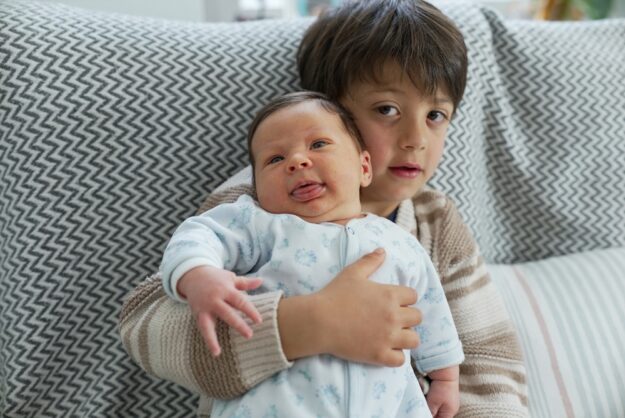
Siblings in foster care
The number of children who enter the foster care system is staggering, and unfortunately, it seems to be increasing each year. Over the past five years there have been over 80,000 children in care across England alone. Many of these children are brothers and sisters who are often forced to live apart due to the lack of foster carers who are open to caring for siblings. It’s estimated that of the 20,000 siblings who were in care in 2023, around 37% of them were separated from each other. There has also been a 10% decline in the number of fostering households across England since 2021.
At Orange Grove, our job is to ensure the children who enter our care are happy, healthy and well looked after. When brothers and sisters are placed together, it causes much less trauma and emotional upset, making them happier overall.
Fostering siblings can be a rewarding thing to do, as you’re helping these children to maintain a tangible link with their birth family.
Some of the benefits of keeping siblings together include:
- Comforting each other through the transition.
- Reduced anxiety over where their siblings are.
- Someone by their side who knows exactly what they’ve been through.
- More stability in their foster home.
- Strengthens their sense of identity.
- Siblings can continue to nurture their relationship with each other.
Celebrating siblings of all shapes and sizes
Siblings can come in lots of different forms. You can have biological siblings, step siblings, adopted siblings, and foster siblings. All types of siblings should be celebrated on National Siblings Day, as we each have a special bond with each other.
Often foster siblings go on to become an extended part of the family, forming bonds with their foster family. Birth children can also help foster children to settle into the family home if they’re a similar age, giving them someone to play with. After all, your chosen family can be just as important as your birth family.

How to celebrate National Siblings Day
Although this national celebration was established with the same sentiment as Mother’s Day and Father’s Day in mind, it doesn’t mean you have to exchange monetary gifts with your siblings. It could be as simple as sharing photos of each other on social media to celebrate the bond between you or do something fun together like a family day out.
However you choose to celebrate National Siblings Day, whether that’s with your own siblings or with foster siblings in your care, paying homage to the special relationship between brothers and sisters will be what’s most important.
Here are a few ideas of how you could celebrate National Siblings Day:
- Make cards for each other to show your appreciation.
- Take a walk together around your favourite local park or coast path.
- Share stories and memories of each other on social media.
- Recreate childhood pictures with each other.
- Have a picnic together at your favourite park.
- Bake cakes or cookies together.
- Watch your favourite films together.
- Write your siblings a letter of appreciation to show them how much they mean to you.
- Play games together.
Supporting children who’ve been separated from their siblings
Sometimes, siblings in foster care aren’t always able to stay together. This could be for a variety of reasons, such as it’s not in their best interests because of a dysfunctional relationship. They might be an older sibling whose younger siblings have been adopted. Or they might be part of a larger sibling group and there wasn’t a foster family with enough room to take all of the children together.
Whatever the reason for their separation, this can have a significant impact on the foster child who is no longer able to be with their siblings. Supporting them through this difficult time is important for their wellbeing. If possible, encourage them to maintain their sibling relationships by arranging regular visits, calls, or video chats. Promoting positive contact can help them to feel more connected with one another.
Be mindful of how traumatic this separation may be for the foster child in your care. Offering them therapeutic support can help them come to terms with the emotional impact this separation may have on them, and make sure that you’re always there to listen to any concerns or worries they might have.
Could you offer a loving home to a sibling group?
Have you got the space to welcome a sibling group into your home? If you’re curious to learn more about looking after siblings or providing different types of fostering, such as short-term foster care, fill out an enquiry form on our website or give us a call on 0800 369 8513. One of our friendly advisors can talk to you about fostering in more detail and answer any questions you may have.
By opening your heart and home to sibling groups in foster care, you’ll be giving them the opportunity to stay together through a difficult time, and to cherish the family that they have with them.